Kay Tang
Service designer • User Experience designer
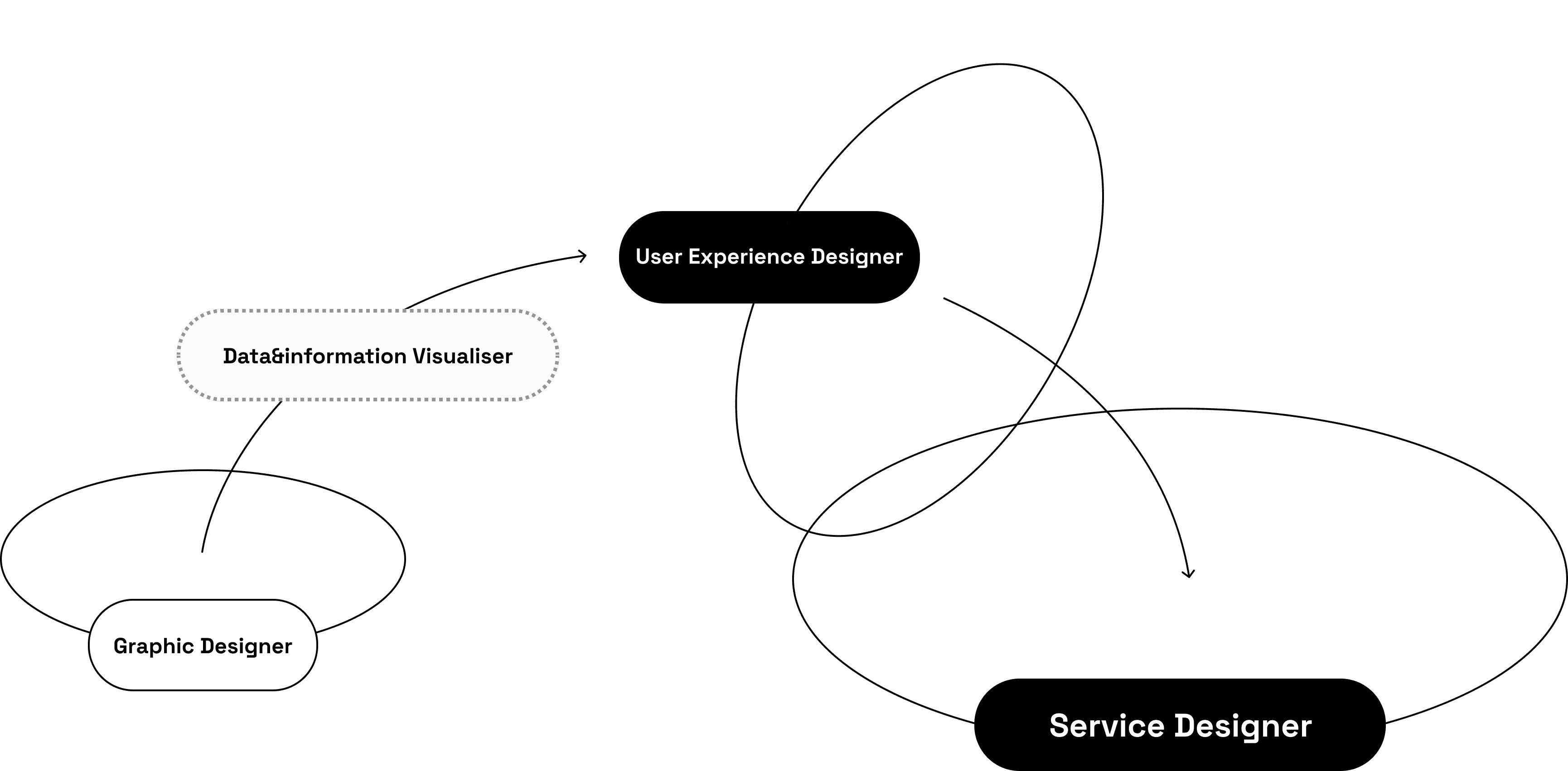
A user-centric designer who graduated from the Royal College of Art Service Design program, with a background in visual communication design. I integrate systematic thinking with design methodologies to create services that authentically reflect user needs.

Kay Tang
Service designer • User Experience designer
A user-centric designer who graduated from the Royal College of Art Service Design program, with a background in visual communication design. I integrate systematic thinking with design methodologies to create services that authentically reflect user needs.

Kay Tang
Service designer • User Experience designer
A user-centric designer who graduated from the Royal College of Art Service Design program, with a background in visual communication design. I integrate systematic thinking with design methodologies to create services that authentically reflect user needs.
What constitutes me
What constitutes me
What constitutes me


A multidisciplinary designer specialising in
Service Design, User Experience, and User Research.
With a mix of creativity, systemic thinking, and passion about gaining insights based on a deep understanding of user experiences to barriers, I aim to enable transformation that makes services more inclusive and collaborative.
A multidisciplinary designer specialising in
Service Design, User Experience, and User Research.
With a mix of creativity, systemic thinking, and passion about gaining insights based on a deep understanding of user experiences to barriers, I aim to enable transformation that makes services more inclusive and collaborative.
The education experience
2024 - 2025
Master of Art in Service Design
Royal College of Art
2024 - 2025
Master of Art in Service Design
Royal College of Art
2024 - 2025
Master of Art in Service Design
Royal College of Art
2018 – 2022
Bachelor of Arts in Data&Information Visualisation, Visual Communication
Nanjing University of the Arts
2018 – 2022
Bachelor of Arts in Data&Information Visualisation, Visual Communication
Nanjing University of the Arts
2018 – 2022
Bachelor of Arts in Data&Information Visualisation, Visual Communication
Nanjing University of the Arts
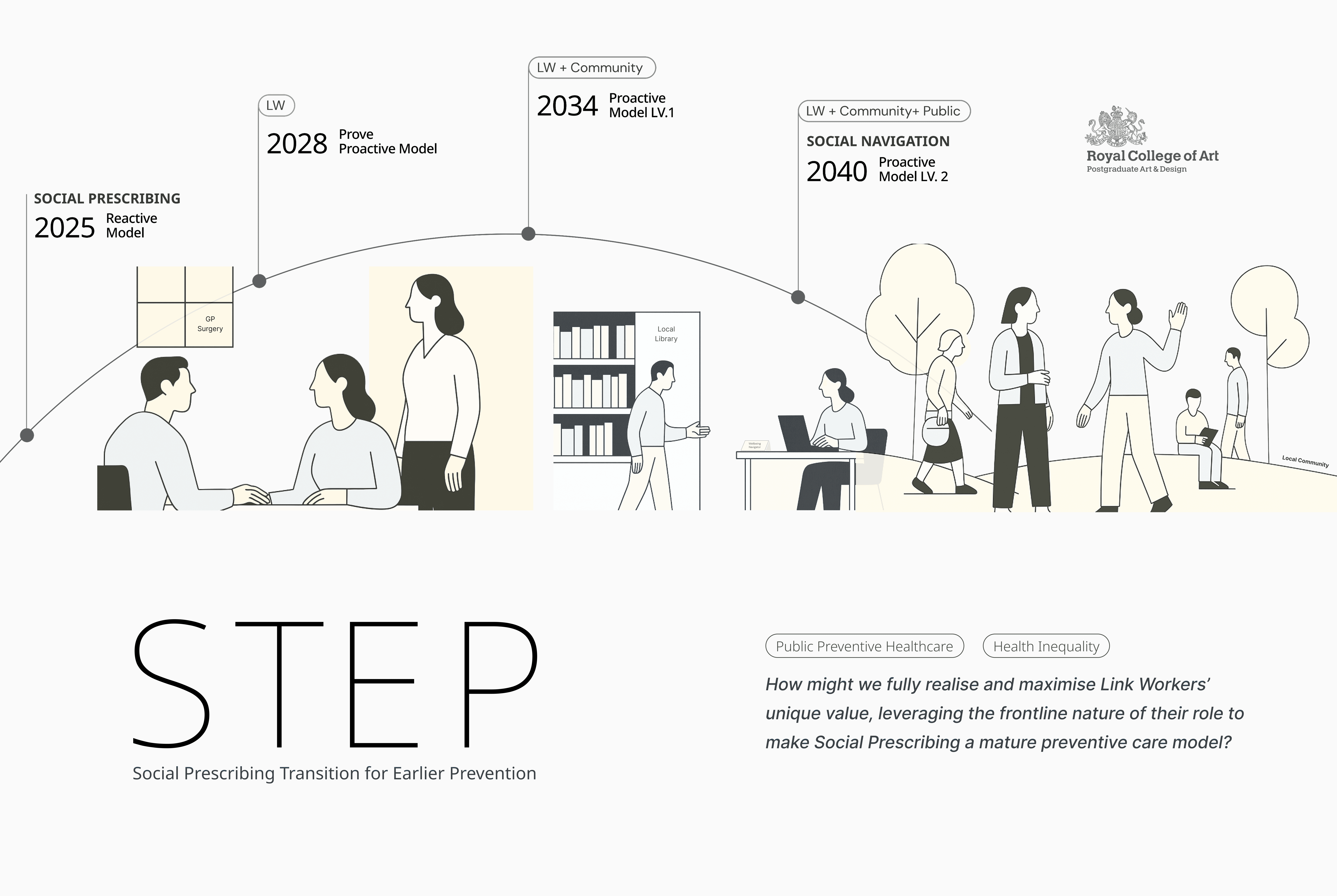
Selected work
Selected work
Selected work
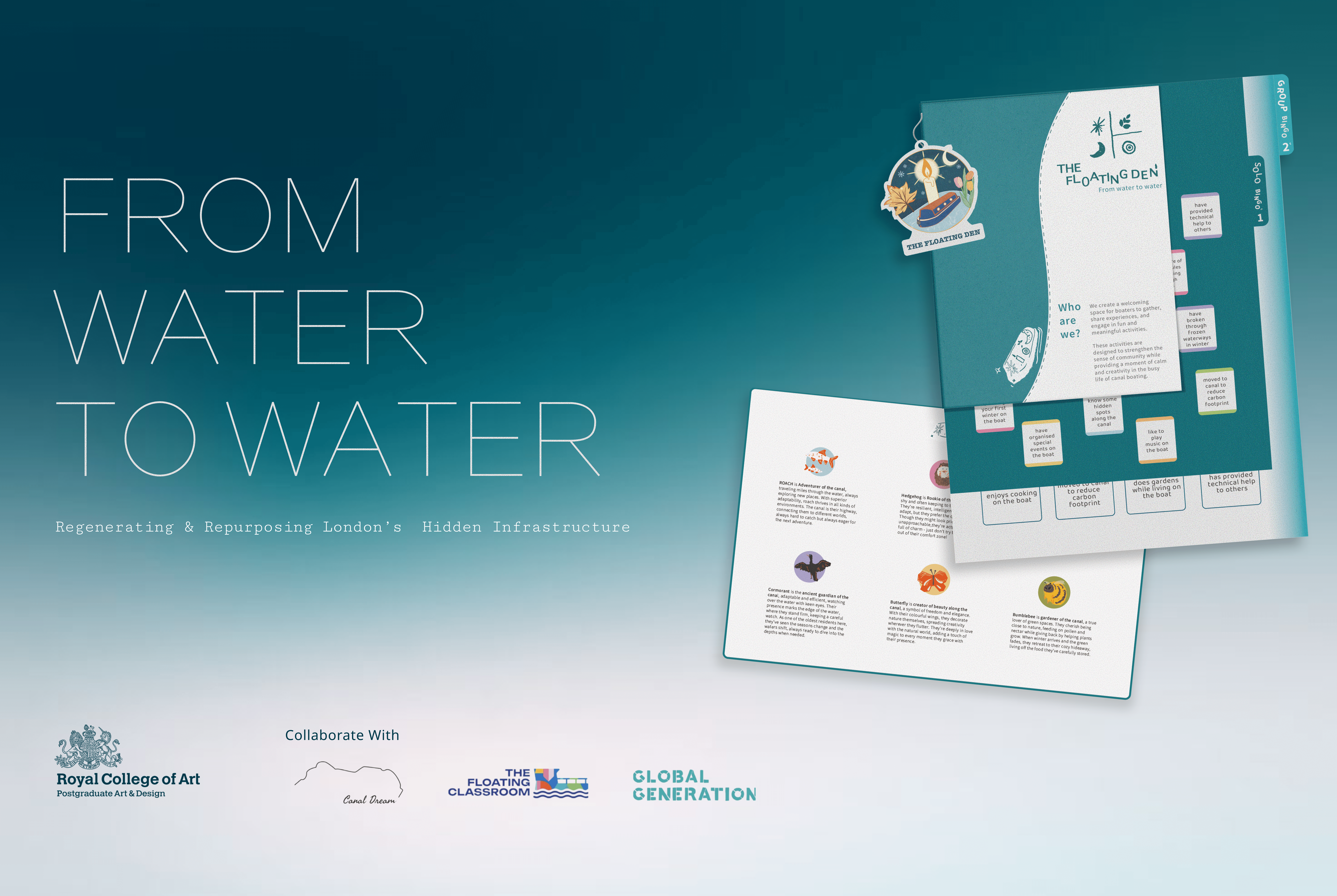
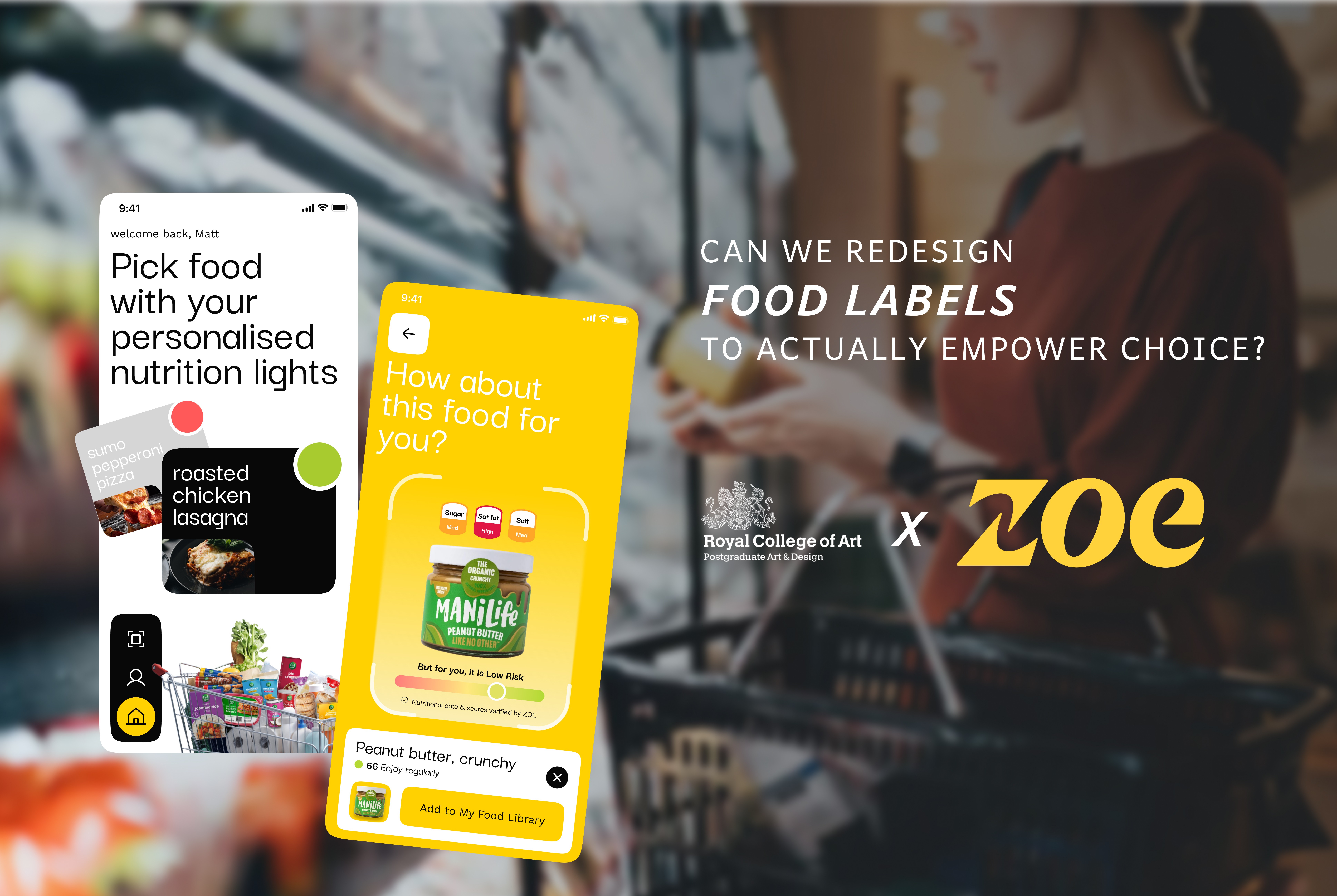
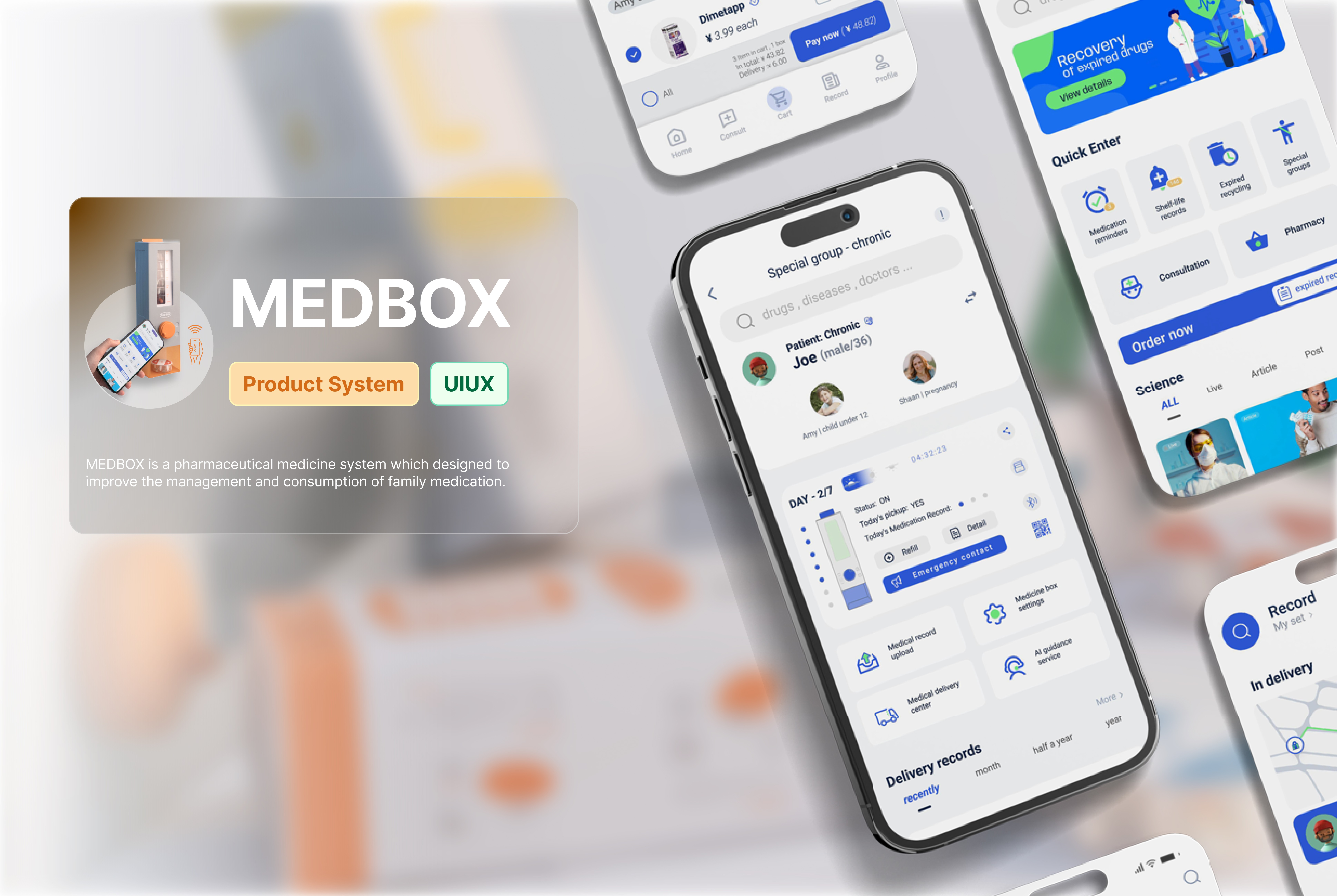
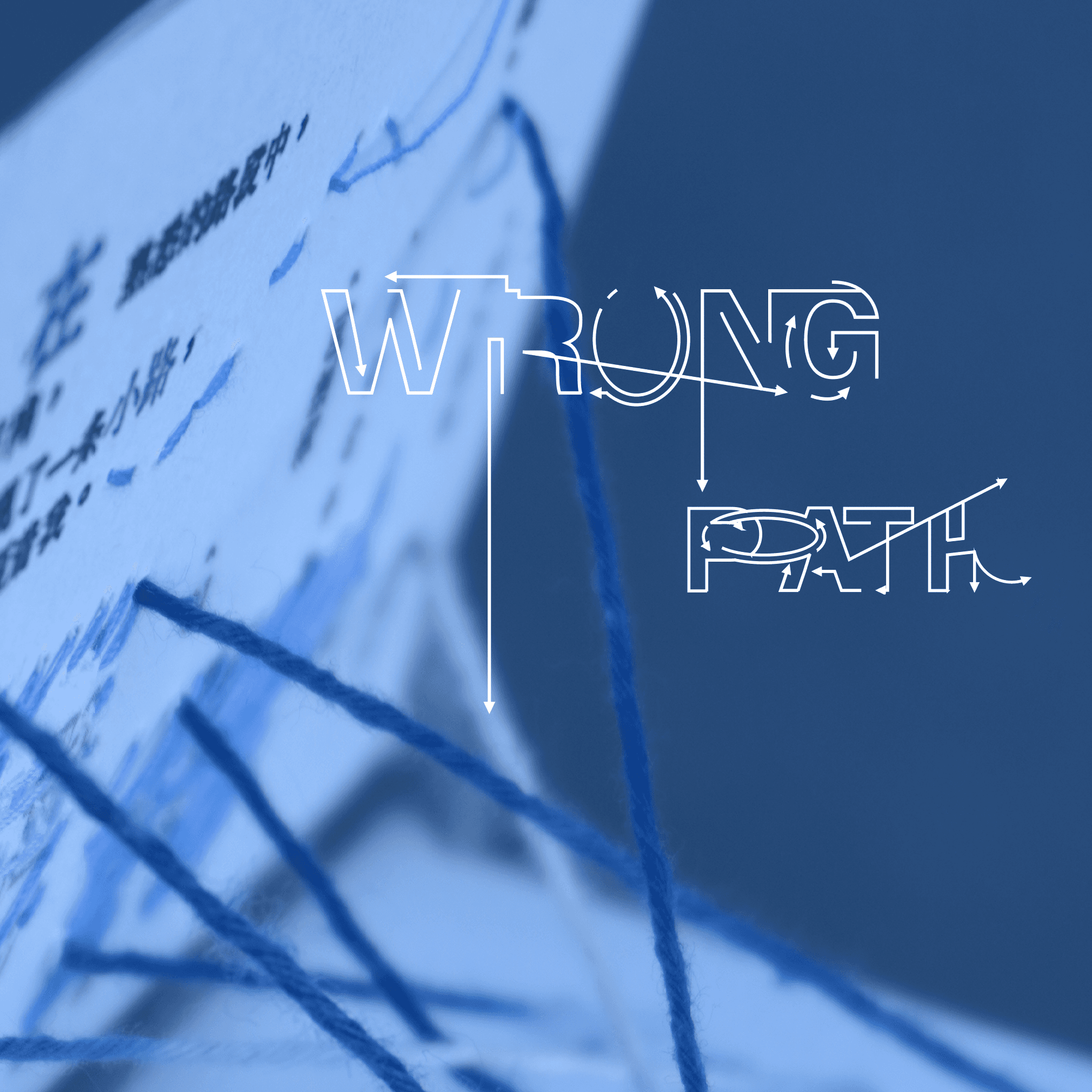
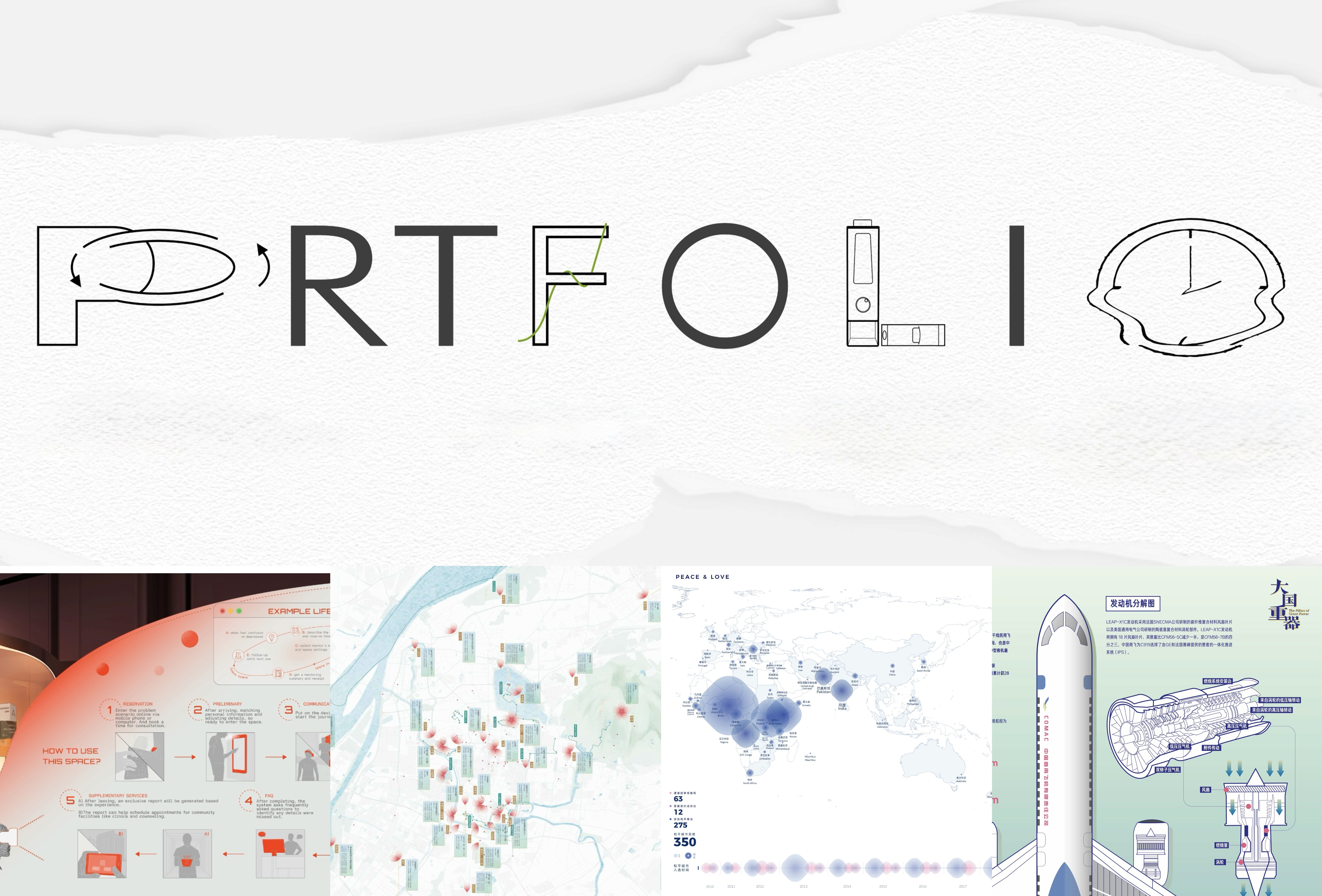
Click on the project image to view more details.
What I do

Service Design
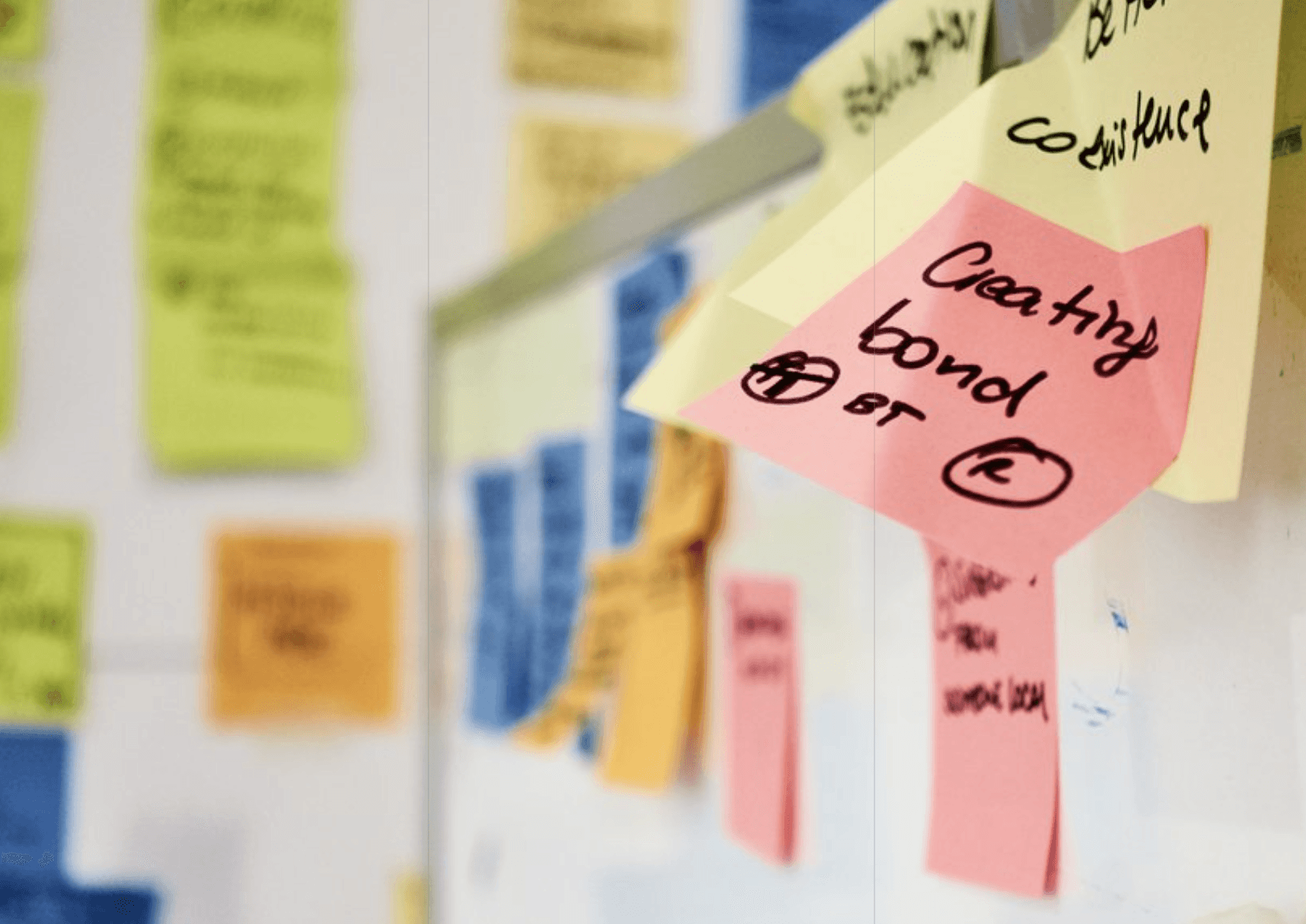
I work with organisations, systems, and people behind the scenes to deliver experiences that actually function in the real world.

Service Design
I work with organisations, systems, and people behind the scenes to deliver experiences that actually function in the real world.

Service Design
I work with organisations, systems, and people behind the scenes to deliver experiences that actually function in the real world.

UX/UX Design
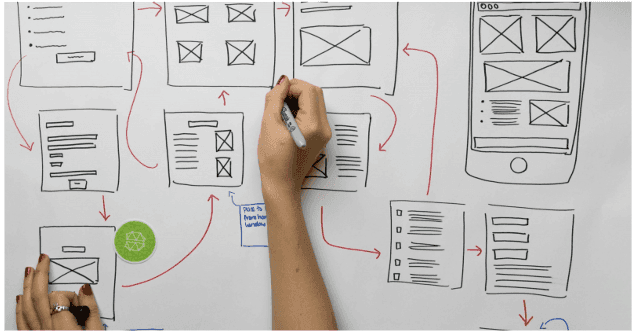
I turn complex needs and constraints into clear, usable digital interfaces or user experiences that people can understand and use with confidence.

UX/UX Design
I turn complex needs and constraints into clear, usable digital interfaces or user experiences that people can understand and use with confidence.

UX/UX Design
I turn complex needs and constraints into clear, usable digital interfaces or user experiences that people can understand and use with confidence.

User Research
I uncover real user behaviours, motivations, and pain points to inform decisions that are grounded in evidence rather than assumptions.

User Research
I uncover real user behaviours, motivations, and pain points to inform decisions that are grounded in evidence rather than assumptions.

User Research
I uncover real user behaviours, motivations, and pain points to inform decisions that are grounded in evidence rather than assumptions.
1. Service Design
Cross-functional collaboration
Stakeholder co-design
End-to-end service mapping
Service blueprints
Service blueprints
Service blueprints
Design systems & style guides
UX research into actionable decisions
2. UI/UX Design
Wireframing&prototyping
User flows & information architecture
Design systems
Design systems
Design systems
Inclusive design&WCAG 2.2, GDS
Usability testing & iteration
HTML5 / CSS3 / JavaScript
3. User Research
Qualitative & quantitative research
Interviews, surveys & focus group
Behavioural analysis
Research synthesis into strategy decisions
Insight framing & storytelling
What I do
What I’ve Earned
Recent Certification
IBM-HTML, CSS, & JavaScript
2026
IBM-HTML, CSS, & JavaScript
2026
IBM-HTML, CSS, & JavaScript
2026
BCG - Strategic & Experience Design
2025
BCG - Strategic & Experience Design
2025
BCG - Strategic & Experience Design
2025
Meta-Principles of UX/UI Design
2025
Meta-Principles of UX/UI Design
2025
Meta-Principles of UX/UI Design
2025
Google-AI Essentials
2025
Google-AI Essentials
2025
Google-AI Essentials
2025
Google-Agile Essentials
2025
Google-Agile Essentials
2025
Google-Agile Essentials
2025
Recent Industry Recognition
Service Design Network Membership
2025
Service Design Network Membership
2025
Service Design Network Membership
2025
Helen Hamlyn Inclusive Design Award
2025
Helen Hamlyn Inclusive Design Award
2025
Helen Hamlyn Inclusive Design Award
2025
Digital Humanities Award
2022
Digital Humanities Award
2022
Digital Humanities Award
2022
Information is Beautiful Awards
2022
Information is Beautiful Awards
2022
Information is Beautiful Awards
2022
What I’ve Earned
FAQ
What does Service Design mean to you?
To me, service design is like climbing 🧗. The experienced climber doesn’t just react, they scan the wall, understand each rock, and plan their moves with intent. Service design works the same way. It’s about orchestrating relationships, between systems, to design routes that are not only functional, but meaningful. It’s not just about fixing broken touchpoints. It’s about aligning intentions, roles, and infrastructures so services become more coherent, more human, and ready to adapt.
How do you deal with complexity?
I visualise it. It’s one of my strengths. Through mapping with multiple tools, data storytelling, and strategy diagrams, I also help others see what they’re dealing with — so we can co-create ways forward.
What kind of topics and problems do you like solving?
I’m passionate about tackling complex challenges in public service, such as healthcare, food, transport. These services sit at the intersection of policy, people, and infrastructure — often struggling with funding issues, siloed departments, and unequal access. I use service design to cut through these barriers and create services that are not only efficient but truly accessible and empowering for all communities.
Why do you care about systemic design?
Systems aren’t abstract, they’re made by people, shaped by services, and held together by those delivering them. So when something feels broken, it usually is. But never in isolation. Systemic thinking helps me see beyond the surface. It’s about understanding how things connect, who’s involved, and what’s really causing the friction. I care about systemic design because I don’t believe in patching symptoms. I want to connect the dots, break the silos, and get to the root, not just move problems around.
What does Service Design mean to you?
To me, service design is like climbing 🧗. The experienced climber doesn’t just react, they scan the wall, understand each rock, and plan their moves with intent. Service design works the same way. It’s about orchestrating relationships, between systems, to design routes that are not only functional, but meaningful. It’s not just about fixing broken touchpoints. It’s about aligning intentions, roles, and infrastructures so services become more coherent, more human, and ready to adapt.
How do you deal with complexity?
I visualise it. It’s one of my strengths. Through mapping with multiple tools, data storytelling, and strategy diagrams, I also help others see what they’re dealing with — so we can co-create ways forward.
What kind of topics and problems do you like solving?
I’m passionate about tackling complex challenges in public service, such as healthcare, food, transport. These services sit at the intersection of policy, people, and infrastructure — often struggling with funding issues, siloed departments, and unequal access. I use service design to cut through these barriers and create services that are not only efficient but truly accessible and empowering for all communities.
Why do you care about systemic design?
Systems aren’t abstract, they’re made by people, shaped by services, and held together by those delivering them. So when something feels broken, it usually is. But never in isolation. Systemic thinking helps me see beyond the surface. It’s about understanding how things connect, who’s involved, and what’s really causing the friction. I care about systemic design because I don’t believe in patching symptoms. I want to connect the dots, break the silos, and get to the root, not just move problems around.
What does Service Design mean to you?
To me, service design is like climbing 🧗. The experienced climber doesn’t just react, they scan the wall, understand each rock, and plan their moves with intent. Service design works the same way. It’s about orchestrating relationships, between systems, to design routes that are not only functional, but meaningful. It’s not just about fixing broken touchpoints. It’s about aligning intentions, roles, and infrastructures so services become more coherent, more human, and ready to adapt.
How do you deal with complexity?
I visualise it. It’s one of my strengths. Through mapping with multiple tools, data storytelling, and strategy diagrams, I also help others see what they’re dealing with — so we can co-create ways forward.
What kind of topics and problems do you like solving?
I’m passionate about tackling complex challenges in public service, such as healthcare, food, transport. These services sit at the intersection of policy, people, and infrastructure — often struggling with funding issues, siloed departments, and unequal access. I use service design to cut through these barriers and create services that are not only efficient but truly accessible and empowering for all communities.
Why do you care about systemic design?
Systems aren’t abstract, they’re made by people, shaped by services, and held together by those delivering them. So when something feels broken, it usually is. But never in isolation. Systemic thinking helps me see beyond the surface. It’s about understanding how things connect, who’s involved, and what’s really causing the friction. I care about systemic design because I don’t believe in patching symptoms. I want to connect the dots, break the silos, and get to the root, not just move problems around.